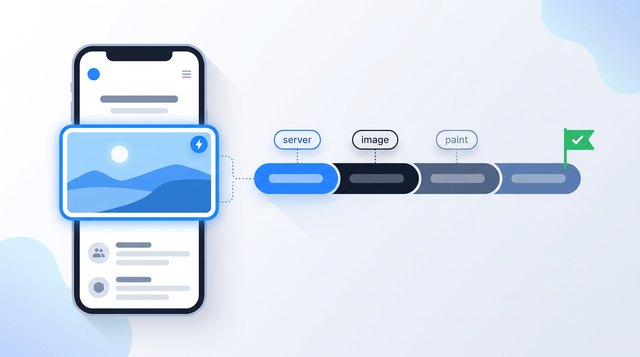
How to Improve LCP: Find What Delays Your Largest Contentful Paint
Find your LCP element, see which of the four LCP phases is slow and apply the matching fix, from server response to image priority and render delay.
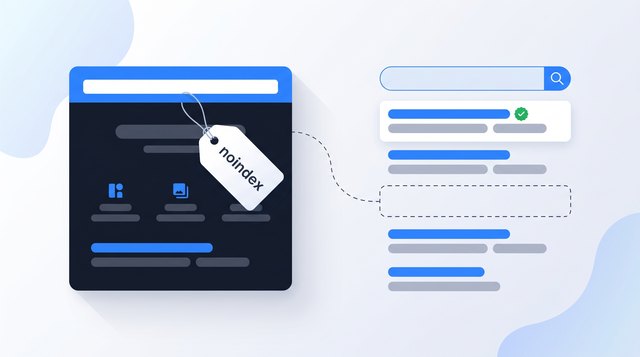
Noindex Tag: How to Keep Pages Out of Google Without Breaking Your Site
Learn when to use a noindex tag, how meta robots and X-Robots-Tag work, why robots.txt can stop noindex from working and how to check pages in Search Console.
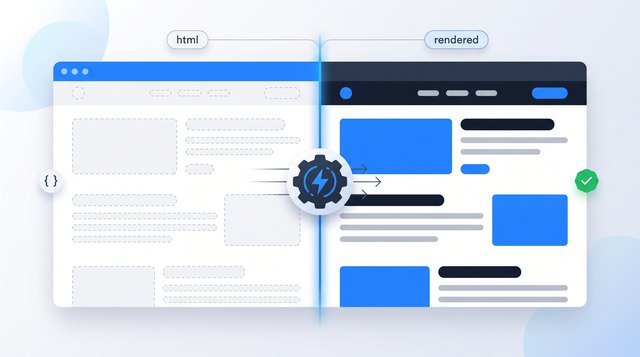
JavaScript SEO: How Google Renders JavaScript and How to Test Your Site
See how Google crawls, renders and indexes JavaScript pages, which patterns hide content or links, and how to test rendered HTML before it costs you traffic.
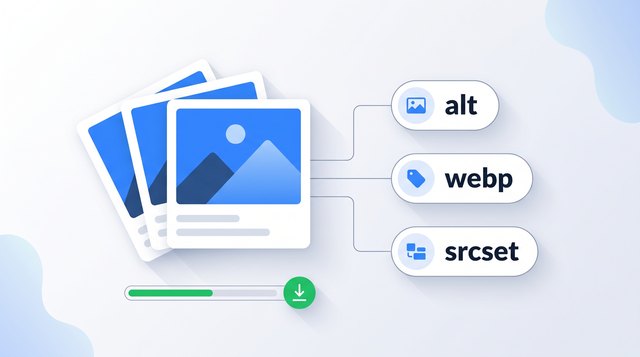
Image SEO: Alt Text, File Names, Formats and Fast-Loading Images
Make images findable and fast: write useful alt text, name files clearly, choose WebP or AVIF, size images responsively and avoid lazy-loading mistakes.
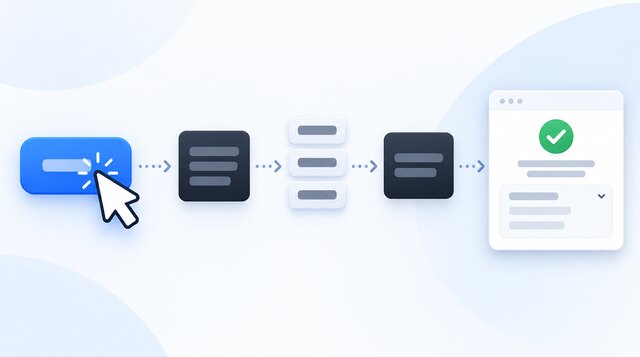
How to Improve INP: Find and Fix Slow Website Interactions
Find slow clicks, taps and keypresses, diagnose the cause in Chrome DevTools and test INP fixes with a copyable responsiveness example.
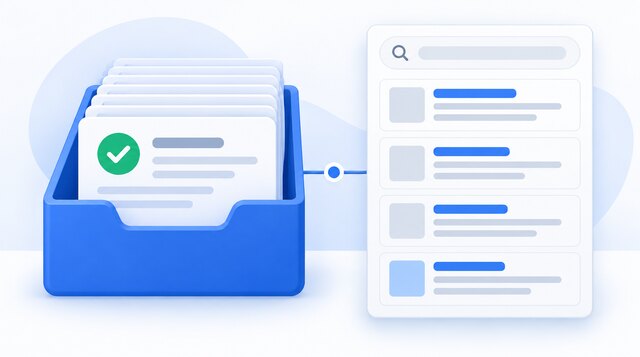
Indexed but Not Ranking? How to Find What’s Holding Your Page Back
Check why an indexed page gets little visibility: confirm the URL, read Search Console evidence, review search intent and choose a focused improvement.
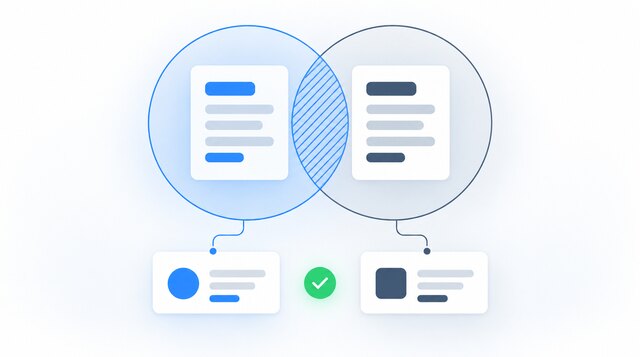
Keyword Cannibalization: When Your Pages Compete and When They Don’t
Learn when overlapping pages are a real SEO problem, investigate them in Search Console and decide whether to keep, differentiate or merge them.
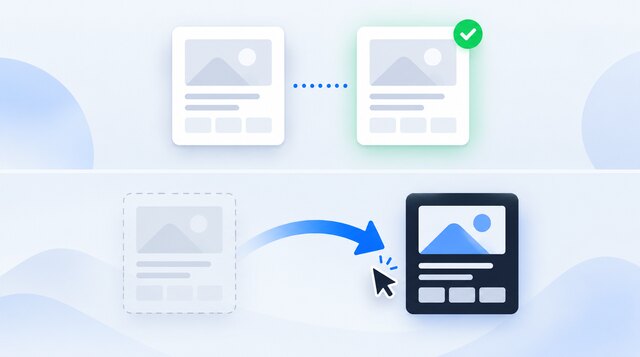
Canonical Tag vs. 301 Redirect: Which Should You Use?
Choose between a canonical tag and a 301 redirect with practical examples, a decision table and checks for redirecting canonical URLs.
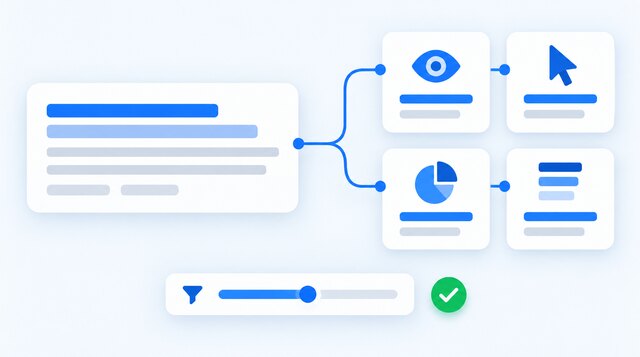
How to Read Google Search Console: Clicks, Impressions, CTR and Average Position
Learn what Search Console clicks, impressions, CTR and average position mean, compare periods fairly and turn report changes into sensible SEO decisions.

Hreflang Explained: International SEO Without the Common Mistakes
Learn when hreflang is needed, how language versions connect, what x-default means and how to implement and validate tags without canonical conflicts.
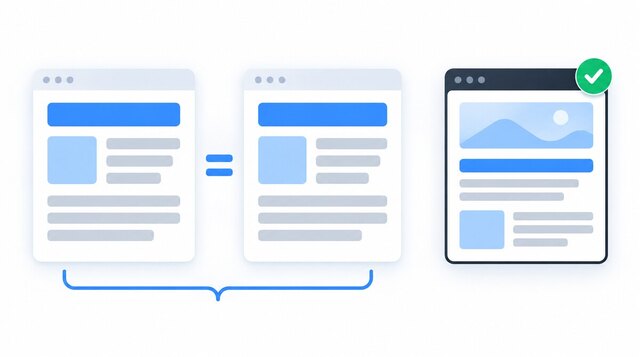
Duplicate Content and SEO: When It Matters and How to Fix It
Separate harmless duplication from real problems, interpret Search Console messages and choose the right fix for overlapping pages.
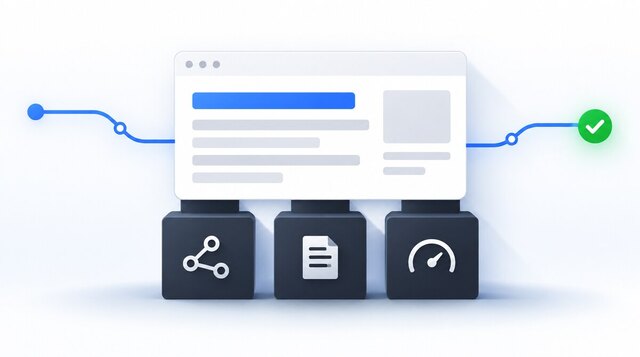
What Is Technical SEO? A Beginner's Guide to How Your Website Gets Found
Understand crawling, indexing, URL handling and performance, then make your first technical SEO checks without getting lost in jargon.
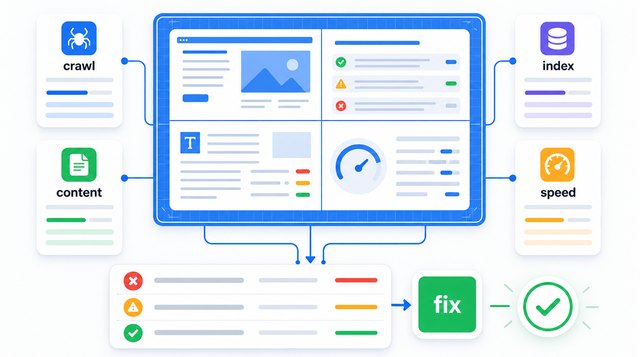
SEO Audit Checklist: How to Audit a Website Step by Step
Audit crawlability, indexing, architecture, content and performance, then turn the evidence into a prioritized repair plan.
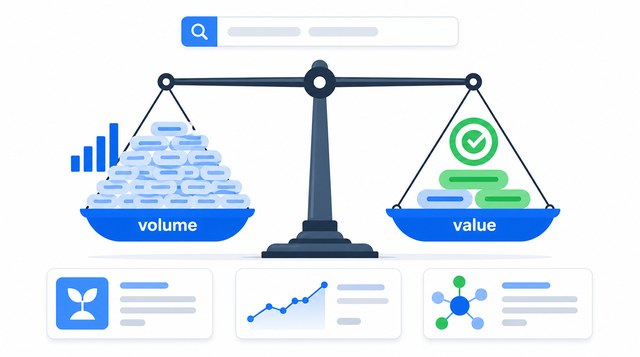
Keyword Research for Beginners: How to Find Topics Worth Targeting
Find real audience needs, understand volume and difficulty, group queries by intent and choose topics that deserve a page.
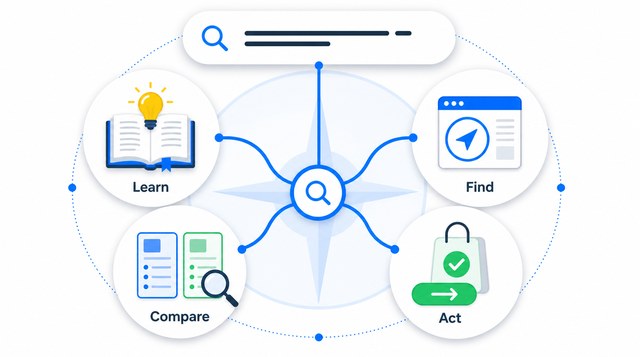
Search Intent Explained: How to Create Content People Actually Want
Identify the task behind a query, choose the right page type and format, and map content without creating thin overlap.
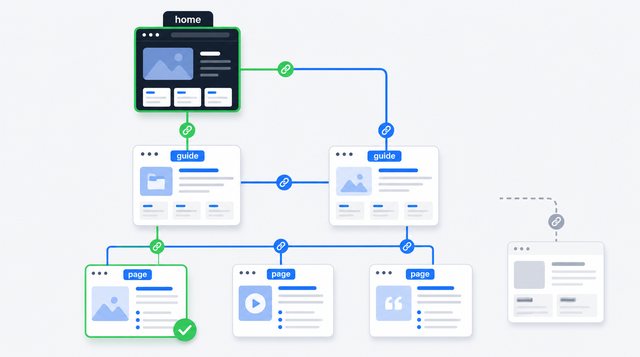
Internal Linking for SEO: How to Build Links That Help Google and Users
Build crawlable paths, write useful anchor text, fix orphan pages and audit the relationships that tell Google what matters.
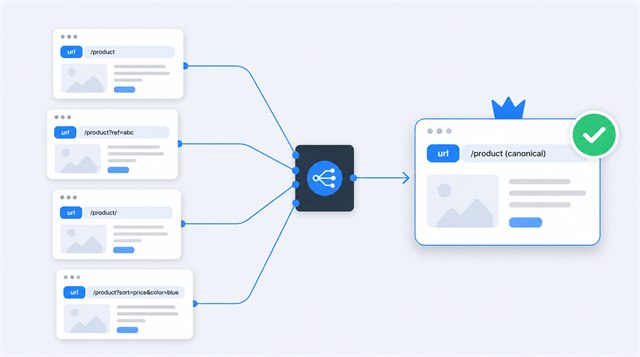
Canonical URLs Explained: What They Are and How to Use Them
What rel=canonical actually does, why duplicate URLs appear, when to redirect instead, and how to make every canonical signal agree.
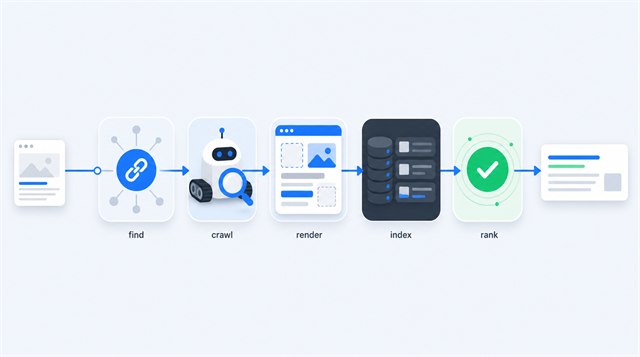
How Google Search Works: Crawling, Indexing and Ranking Explained
Follow a page from discovery to crawling, rendering, indexing and the search results, with the checks that reveal where it got stuck.
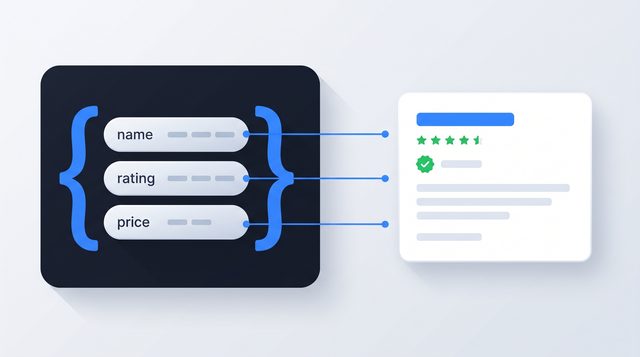
Schema Markup Explained: What It Does for SEO and How to Add It
Understand schema markup with Organization, Article and Product JSON-LD examples, field-by-field checks and a practical validation workflow.
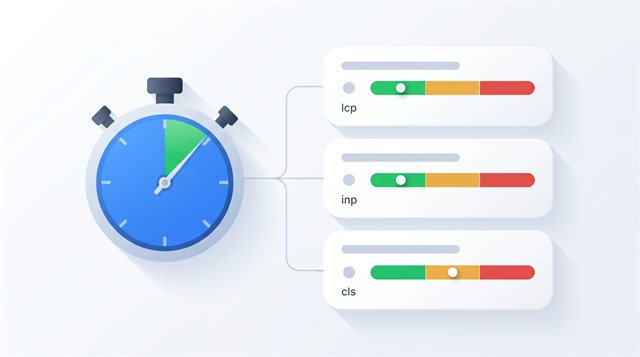
Core Web Vitals Explained: How to Read, Diagnose and Fix LCP, INP and CLS
Why your lab score and Search Console disagree, the 75th percentile rule that explains "it's fast on my machine", and the fixes that move each metric.

How to Set Up Google Analytics 4 (and the Five Settings Everyone Misses)
The tag install takes ten minutes; the setup that matters comes after. Three install routes, key events that count real leads, and the 2 month retention default to fix on day one.
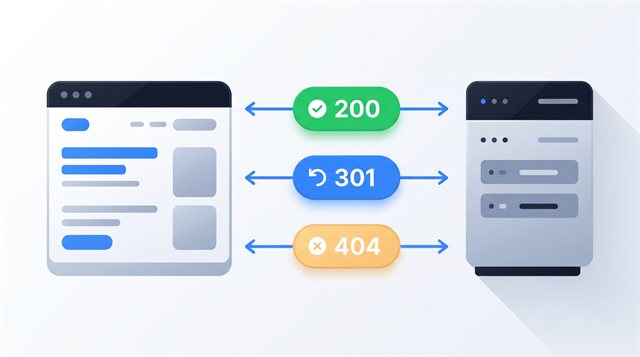
HTTP Status Codes Explained: What 200, 301, 404, 410 and 5xx Mean for SEO
Google reads status codes as instructions. What 301 vs 302 actually signals, why 404 vs 410 barely matters, the soft 404 trap, and the codes that quietly slow your crawling.

Robots.txt Explained: What to Block, What Not To, and Why
Thirty lines of text with the power to erase a site from search. Crawling vs indexing, the AI crawler tokens, the mistakes that cost real traffic, and copy-paste templates.
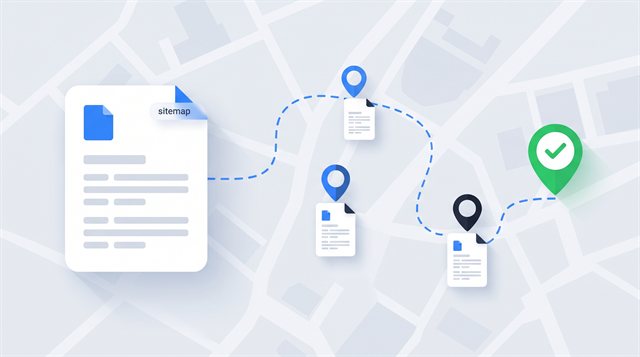
Sitemap.xml: Why It Matters and How to Get It Right
Learn how to find, create, validate and submit an XML sitemap, with a complete example and checks for preferred URLs and accurate lastmod dates.
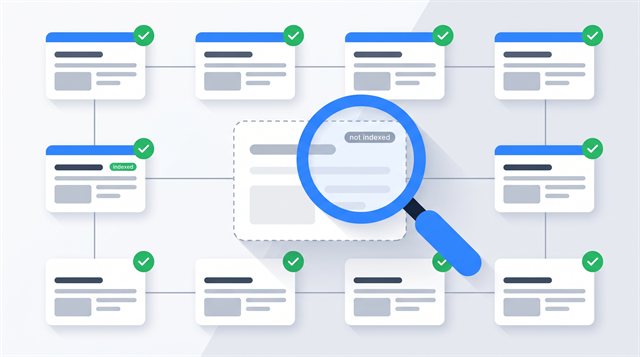
Why Is My Page Not Indexed in Google? How to Find and Fix It
URL Inspection says "URL is not on Google" and every article tells you to improve quality. Here's the real diagnosis: all 15 Search Console statuses explained, an interactive troubleshooter, and the fixes that actually work.

Google Search Console Setup: The Complete Walkthrough
Domain vs URL-prefix, every verification method and the failures nobody troubleshoots, plus the seven things to do in your first week. Includes an interactive method picker.
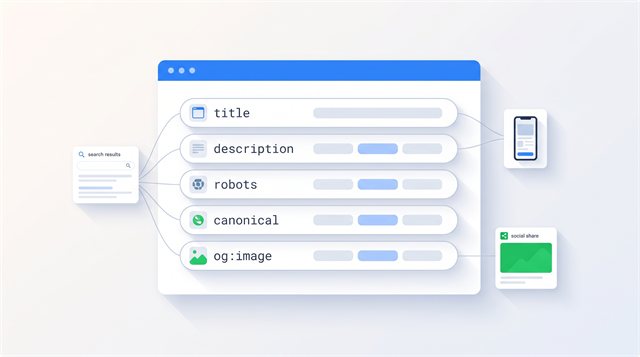
SEO Meta Tags: The Free On-Page SEO Guide
Learn which on-page SEO tags matter, see title and meta description examples, and check robots, canonicals and your published HTML.
More guides are on the way. In the meantime, the free website review covers your site's specific gaps.